The Full Process: From Skincare Idea to Market Launch
A detailed walkthrough of every stage involved in taking a skincare concept from initial idea to retail shelves.
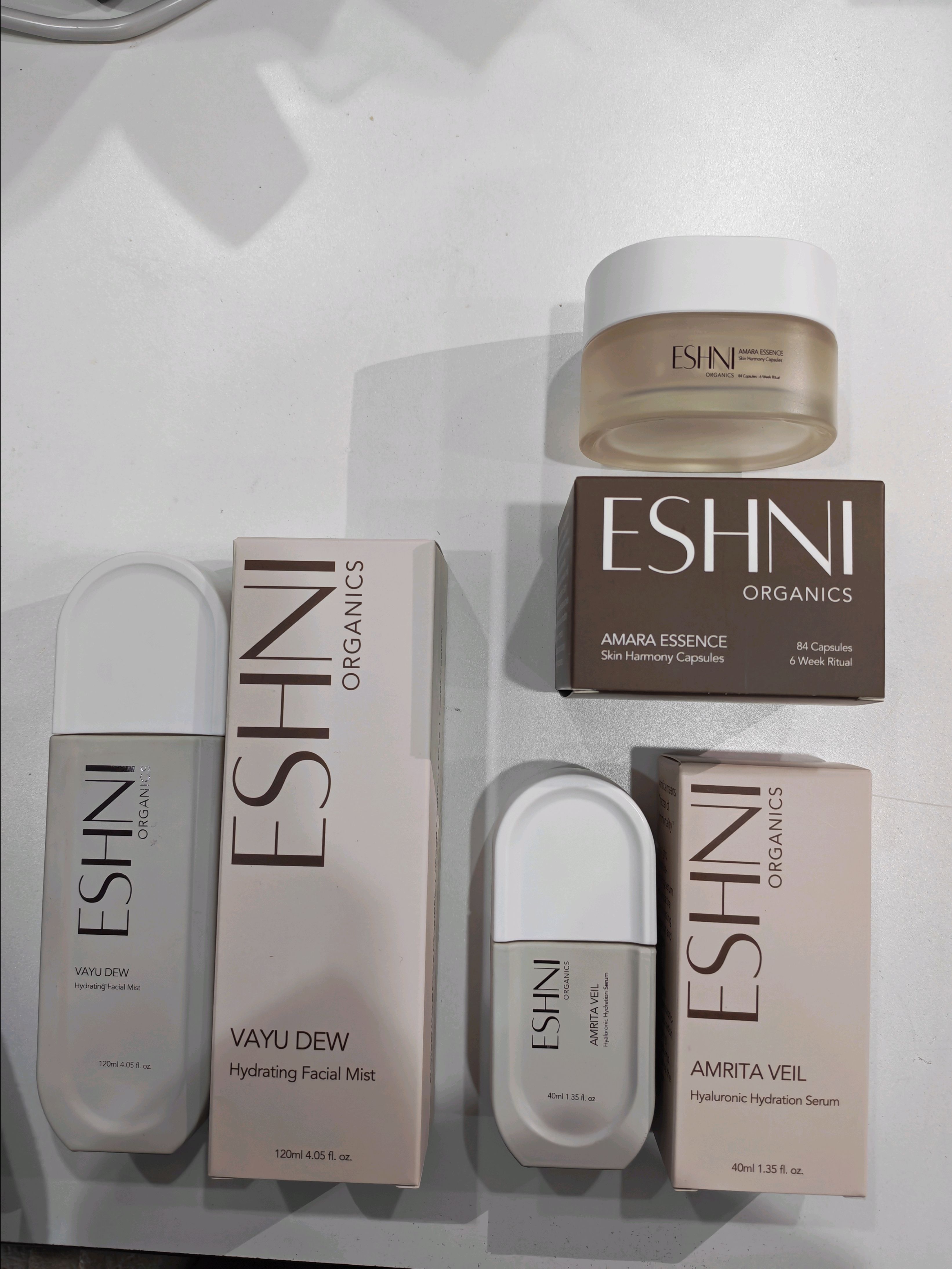
Launching a skincare brand is one of the most rewarding yet complex entrepreneurial journeys you can undertake. The beauty industry is highly competitive, heavily regulated, and demands excellence at every stage. Understanding the complete process from concept to consumer is essential for success. At Skin Agency, we guide brands through our proven INFIN8 Method, a comprehensive 64-step process across 8 major stages. Here is an overview of what that journey looks like.
Stage 1: Incubate - Laying the Foundation
Every successful skincare brand begins with solid foundations. The Incubate stage focuses on strategy, business structure, and protecting your intellectual property. This includes market research to identify gaps and opportunities, competitive analysis to understand your positioning, and defining your unique value proposition. You will establish your business entity, set up proper telecommunications and payment systems, and begin the process of trademarking your brand name and protecting your formulations.
During this stage, we also develop your brand strategy, including target audience definition, pricing strategy, and distribution channel planning. This foundation work typically takes 4-8 weeks and is crucial for everything that follows. Skipping this stage is the most common mistake new founders make.
Stage 2: Create - Brand and Product Development
The Create stage brings your vision to life visually and scientifically. Brand identity development includes logo design, colour palette, typography, and visual language. Your packaging design must balance aesthetics with regulatory requirements, ensuring all mandatory information fits while maintaining shelf appeal. Photography and content creation establish your visual presence.
Simultaneously, product formulation begins. Working with cosmetic chemists, your products are developed, tested, and refined. This involves ingredient selection, stability testing, efficacy testing, and safety assessments. Each formula goes through multiple iterations before achieving the perfect balance of performance, texture, fragrance, and manufacturing feasibility.
Stage 3: Fabricate - Manufacturing and Production
Once formulations are finalised and packaging is designed, production begins. The Fabricate stage involves selecting and vetting manufacturers, negotiating contracts, and establishing quality control protocols. Raw materials are sourced, often requiring certification verification for organic or natural claims.
Production runs are scheduled, and each batch undergoes rigorous testing before approval. Packaging components are manufactured separately, then everything comes together in the filling and assembly process. Quality checks occur at every stage, from raw material receipt to final product inspection. This stage also includes regulatory compliance documentation, batch coding, and expiry date management.
Stage 4: Accelerate - Launch Preparation
With products manufactured, the Accelerate stage prepares for market entry. E-commerce platforms are built and tested, payment processing is configured, and fulfilment systems are established. Marketing campaigns are developed, including launch content, influencer partnerships, and PR strategies.
Barcode registration (either GS1 or internal barcodes for specific retailers) is completed. Point of sale materials are designed and produced for retail channels. Staff training programs are developed if selling through spas or salons. This pre-launch phase is critical for building anticipation and ensuring smooth operations from day one.
Stage 5: Operate - Launch and Daily Operations
Launch day arrives, and the Operate stage begins. This involves managing daily sales operations, customer service, inventory management, and order fulfilment. Systems must be in place to handle demand fluctuations, process returns, and manage customer inquiries professionally.
Operational excellence also includes managing supplier relationships, reordering inventory at optimal times, and maintaining consistent quality across production batches. Cash flow management becomes critical as you balance production costs with incoming revenue. This stage never really ends but evolves as your brand grows.
Stage 6: Motivate - Marketing and Growth
Sustainable growth requires ongoing marketing effort. The Motivate stage encompasses social media management, content marketing, email campaigns, paid advertising, and influencer collaborations. Brand awareness building is a continuous process that requires consistent investment and creative evolution.
Customer retention strategies, including loyalty programs and subscription models, help maximise lifetime value. PR efforts secure media coverage and industry recognition. Marketing analytics track performance across channels, allowing for optimisation and improved return on investment over time.
Stage 7: Facilitate - Scaling and Expansion
As your brand proves successful, the Facilitate stage focuses on scaling. This may involve capital raising to fund growth, expanding into new retail channels or geographic markets, and developing new product lines. Operational infrastructure must scale accordingly, potentially including new fulfilment partners or international distribution agreements.
Team building becomes essential as the brand grows beyond founder capacity. Financial modelling helps plan for growth scenarios while maintaining profitability. Strategic partnerships and licensing opportunities may emerge, creating new revenue streams without additional product development.
Stage 8: Evaluate - Analysis and Optimisation
The final stage is ongoing evaluation and optimisation. Regular business reviews assess performance against targets. Customer feedback is analysed to inform product improvements. Market trends are monitored to identify opportunities and threats. Financial analysis ensures the business remains healthy and growing.
This stage feeds back into all others, creating a continuous improvement cycle. Successful brands never stop evaluating and optimising. Whether you are three months or three years post-launch, this discipline separates thriving brands from struggling ones.
Ready to start your skincare journey?
Book a Strategy Call