How to Market a Skincare Product
From social media strategies to retail partnerships, learn the essential marketing tactics that drive skincare brand success.
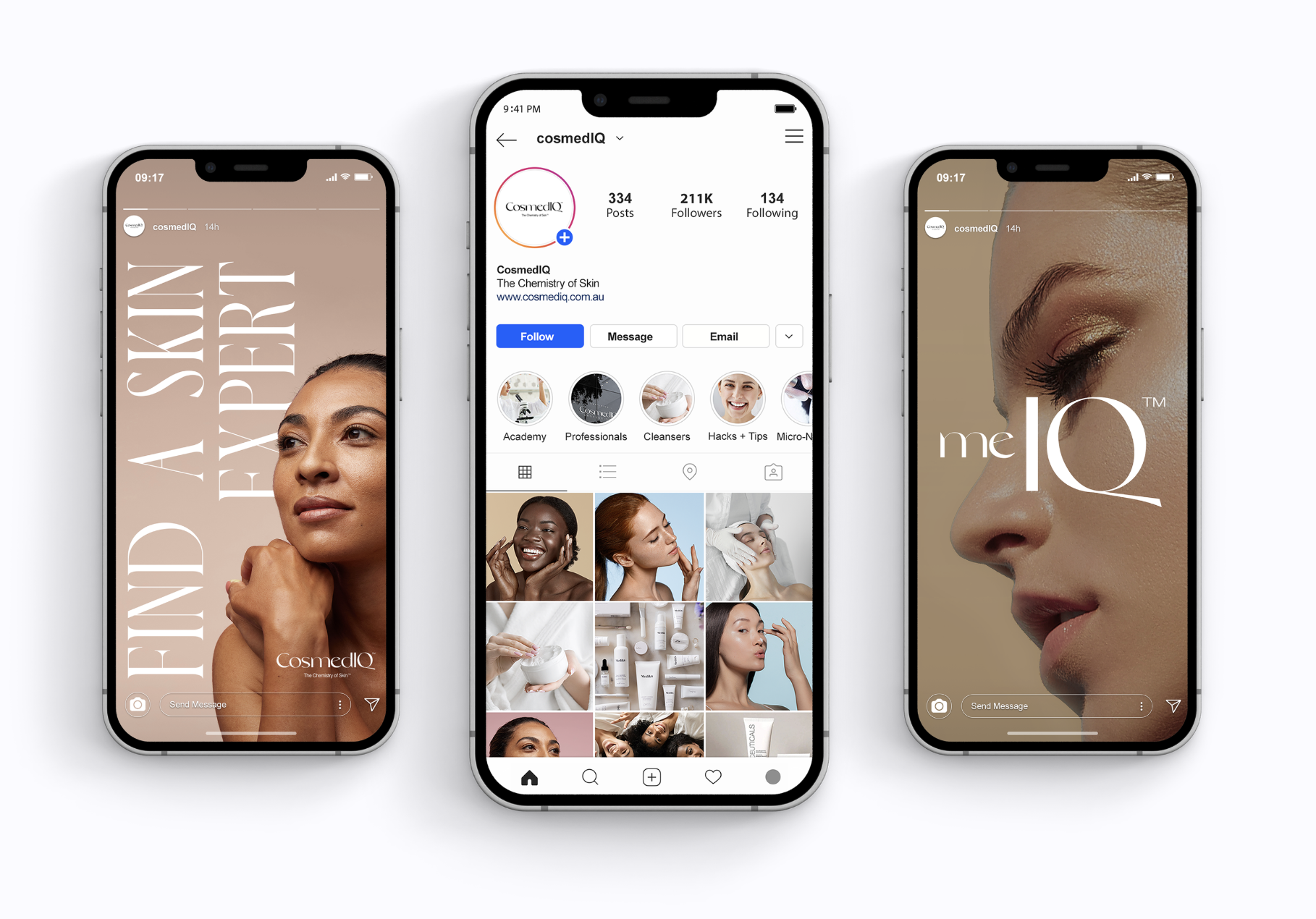
Marketing a skincare product in today's competitive landscape requires a sophisticated blend of digital strategy, authentic storytelling, and strategic partnerships. The beauty industry has evolved beyond traditional advertising, with consumers increasingly seeking genuine connections with brands that align with their values and address their specific concerns.
Understanding Your Target Audience
Before investing in any marketing channel, you must develop a deep understanding of who your ideal customer is. This goes beyond basic demographics to encompass psychographics — their values, aspirations, pain points, and purchasing behaviours. Consider what skin concerns they experience, what they value in a skincare routine, and where they seek information about beauty products.
Creating detailed buyer personas helps guide all subsequent marketing decisions. A persona for a luxury anti-ageing serum will differ dramatically from one for an accessible everyday moisturiser. Each persona should inform your messaging, channel selection, pricing strategy, and even packaging design.
Building a Digital Presence
Social media remains the primary discovery channel for skincare brands, with Instagram and TikTok leading the way. However, success on these platforms requires more than posting product photos. Today's consumers expect educational content, behind-the-scenes glimpses, and authentic engagement with the brand's community.
Content pillars should include educational posts explaining ingredients and their benefits, user-generated content showcasing real results, lifestyle imagery that reflects your brand values, and interactive content that encourages engagement. The most successful skincare brands on social media have mastered the art of balancing promotional content with genuinely valuable information.
Your website serves as your digital flagship store and should reflect the premium nature of your products. Invest in professional photography, clear product descriptions, ingredient transparency, and an seamless purchasing experience. Include educational content through a blog or resource section to improve search engine visibility and establish authority.
Influencer Marketing Strategy
Influencer partnerships remain highly effective for skincare brands, but the approach has matured significantly. Rather than pursuing celebrities with massive followings, many brands find greater success with micro-influencers who have highly engaged niche audiences. These partnerships often feel more authentic and generate better return on investment.
When selecting influencers, prioritise alignment with your brand values over follower count. Examine their engagement rates, the authenticity of their audience, and their previous skincare partnerships. Long-term ambassador relationships typically outperform one-off sponsored posts, as repeated exposure builds trust with the influencer's audience.
Retail and Distribution Partnerships
While direct-to-consumer sales offer higher margins, retail partnerships provide credibility and exposure that can accelerate brand growth. Being stocked in respected retailers serves as third-party validation of your product quality. When approaching retailers, come prepared with sales data, marketing support plans, and a clear understanding of their customer base.
Start with smaller, independent retailers or specialty beauty stores before approaching major chains. These initial partnerships provide valuable learning experiences and sales history that strengthen your pitch to larger retailers. Consider professional channels such as spas, clinics, and salons, which can be powerful distribution partners for premium skincare.
Email Marketing and Retention
Acquiring a new customer costs significantly more than retaining an existing one, making email marketing essential for skincare brands. Build your list through website opt-ins, offering incentives such as educational guides or discount codes. Segment your list based on purchase history and engagement to deliver personalised content.
Develop automated email sequences for key moments in the customer journey: welcome series for new subscribers, post-purchase education on product use, replenishment reminders based on typical usage cycles, and win-back campaigns for lapsed customers. Each touchpoint should provide value while reinforcing your brand story.
Measuring Success and Iterating
Effective marketing requires continuous measurement and optimisation. Establish key performance indicators for each channel and review them regularly. Beyond sales metrics, track brand awareness indicators, engagement rates, customer acquisition costs, and lifetime value. Use these insights to refine your strategy, doubling down on what works and adjusting or abandoning what does not.
Remember that marketing is not a one-time effort but an ongoing commitment. The most successful skincare brands maintain consistent presence while remaining agile enough to capitalise on trends and respond to market feedback. With persistence and strategic thinking, even new brands can carve out meaningful market share in the competitive beauty landscape.
Need help with your marketing strategy?
Our team can help you develop a comprehensive go-to-market plan for your skincare brand.
Book a Strategy Call